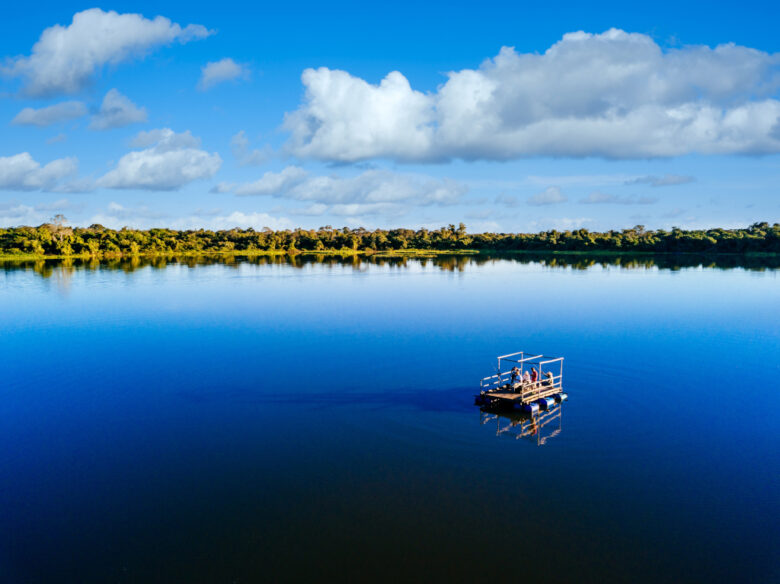
By The Gem Hotel · Updated 30 October 2026
The best time to visit Naivasha is during the dry seasons, roughly January to February and June to September, when roads and trails are dry, Hell’s Gate is at its best and the gorge is safe to walk. Naivasha is pleasant all year because it sits high in the Rift Valley, at about 1,890 metres, so days are mild and nights are cool. The rainy months bring green landscapes, fewer visitors and lower demand, but some outdoor plans need a backup.
Here is how the year usually plays out, so you can pick the right month for your trip or event.
Key takeaways
- Driest and most reliable: January to February and June to September.
- Long rains: roughly March to May. Green and quiet; the gorge can flood.
- Short rains: roughly October to December. Usually brief showers, often in the afternoon.
- Busiest: Easter, the August school holidays and December.
- Coolest nights: June to August. Pack a warm layer.
In this guide
- Naivasha’s seasons
- Month by month
- Best time by purpose
- What to pack by season
- Frequently asked questions
Naivasha’s seasons at a glance
Kenya’s weather follows two rainy seasons and two drier spells. Naivasha sits in a rain shadow on the Rift Valley floor, so it is generally drier than Nairobi, but the same pattern applies.
| Season | Months (roughly) | What to expect |
|---|---|---|
| Short dry season | January to February | Warm, sunny days, clear skies, dusty trails |
| Long rains | March to May | Heavier rain, green landscapes, fewer visitors |
| Long dry season | June to September | Dry and sunny days, cold mornings and nights |
| Short rains | October to December | Short showers, often afternoons; green returns |
Seasons shift from year to year, so check a forecast in the week before you travel.
Naivasha month by month
January and February
Some of the best weather of the year: sunny, dry and warm in the day. Great for Hell’s Gate cycling, Mount Longonot and boat rides. January is also a quieter period after the festive rush, which makes it a good time for conferences and planning retreats.
March to May
The long rains. Expect heavier showers, especially in April. The landscape turns green and lush, birdlife is excellent and the lodges are quieter. The Hell’s Gate gorge can flood after heavy rain, so treat it as weather-permitting. Easter usually falls in this period and brings a busy long weekend.
June to September
The long dry season and the most reliable time for outdoor plans. Days are sunny and mornings can be cold, especially in July. August school holidays make Naivasha busy with families from Nairobi, so book early.
October to December
The short rains, usually brief afternoon showers rather than all-day rain. Mornings are often clear, so plan outdoor activities early. December is the busiest month for leisure travel, with the Christmas and New Year holidays, and many companies hold end-of-year events.
The best time to visit Naivasha, by purpose
| Purpose | Best months | Why |
|---|---|---|
| Hell’s Gate and the gorge | Jan to Feb, Jun to Sep | Dry tracks and a safe gorge |
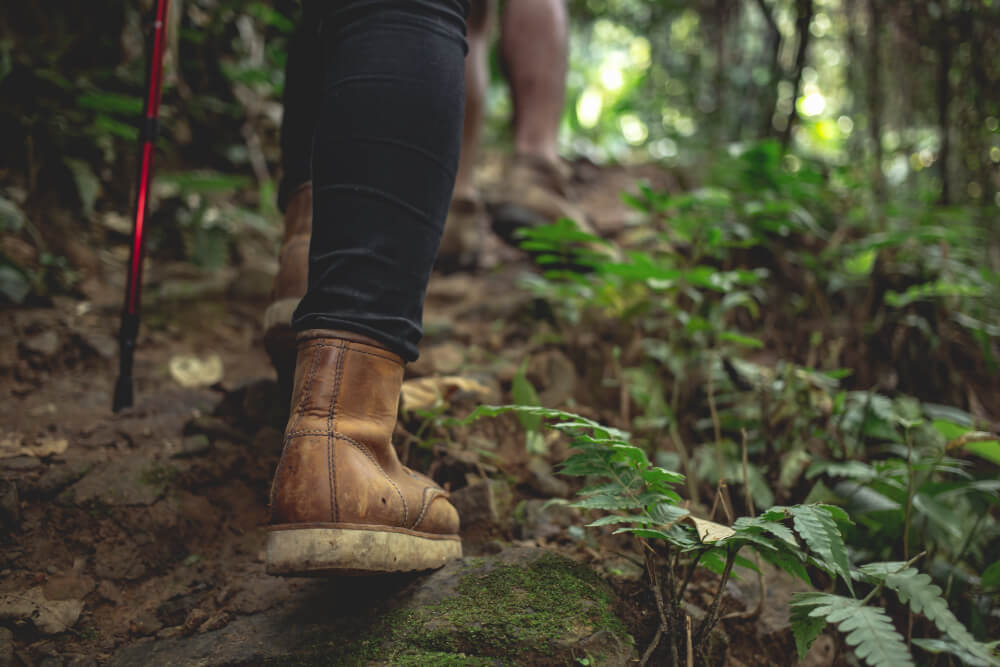
| Hiking Mount Longonot | Jan to Feb, Jun to Sep | Firm, dry trail and clear views |
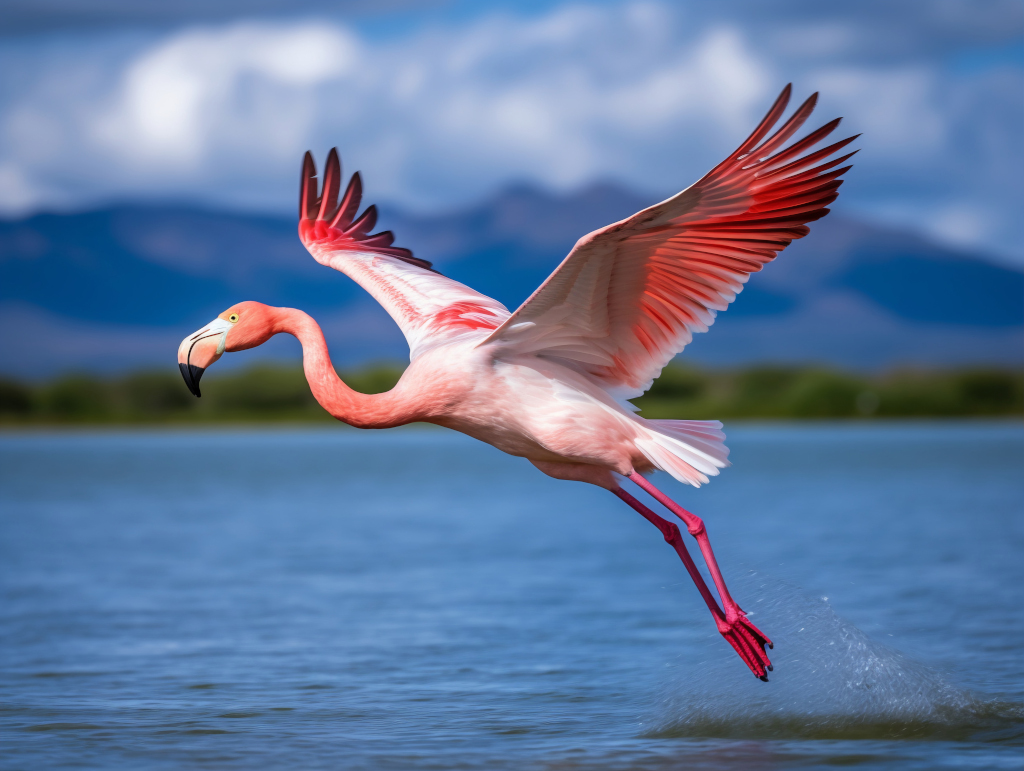
| Birdwatching | Oct to Apr | Migrant birds join the residents |
| Green landscapes and photography | Apr to Jun, Nov to Dec | Lush after the rains |
| Quiet, lower-demand stays | Mar to May | Fewer visitors outside Easter |
| Conferences and retreats | Jan to Mar, Jun to Nov | Fewer holiday clashes; reliable weather for activities |
Worked example: choosing a retreat date
Say a team wants a two-day retreat with a Hell’s Gate cycling morning. Late April looks tempting because venues are quieter, but a heavy storm could rule out the gorge and turn tracks muddy. Late January gives dry tracks and fewer holiday clashes. If April is the only option, plan the cycling for the morning, keep the gorge optional and book a hall for an indoor backup.
Holidays and busy weekends to plan around
Weather is only half the story. Naivasha is the closest big getaway to Nairobi, so public holidays and long weekends change the experience more than a few showers do. Roads are slower, popular activities are crowded and the best rooms go early.
| When | What to expect |
|---|---|
| Christmas to New Year | The busiest period of the year. Book rooms and activities well ahead, and expect some venues to sell only full board packages. |
| Easter weekend | Very busy, often combined with the start of the long rains. |
| Labour Day (1 May) and Madaraka Day (1 June) | Busy long weekends when they fall near a Friday or Monday. |
| Mashujaa Day (20 October) and Jamhuri Day (12 December) | Popular for short breaks; Jamhuri Day often starts the festive rush. |
| School holidays | More families at the lake, parks and pools, especially in April, August and December. |
If you have a choice, a midweek visit outside these dates gives you quieter parks, easier bookings and a calmer drive. For meetings and retreats, January to March and July to September are usually the easiest months to secure your preferred dates.
Park fee seasons
Kenya Wildlife Service sets seasonal rates under the fee regulations that took effect in October 2025: July to March is classed as high season and April to June as low season. The difference shows mainly in non-resident rates at some parks, so if you are hosting overseas visitors, check the KWS schedule for your dates before you budget. East African citizens and Kenya residents pay a fixed shilling rate at Hell’s Gate and Mount Longonot. As of October 2026, an adult East African citizen pays KSh 500 at either park.
Payment is cashless and done online through eCitizen, whatever the season. You can find the current schedule on the Kenya Wildlife Service website.
Planning a trip in the rains
Do not write off the rainy months. Rain in Naivasha usually comes in the afternoon or evening, and mornings are often clear. The landscape turns green, the dust settles, and rooms and activities are easier to book. A few adjustments make it work:
- Do outdoor activities in the morning and keep afternoons flexible.
- Ask about the Hell’s Gate gorge before you go. Rangers close it when flash floods are a risk.
- Pack a light rain jacket and shoes with grip.
- Have an indoor plan for the afternoon, such as a long lunch, the spa or a museum visit.
Pros and cons of the rainy season
| Pros | Cons |
|---|---|
| Green, dramatic landscapes | Outdoor plans can be cut short |
| Excellent birdlife | Hell’s Gate gorge can be closed or unsafe |
| Fewer visitors outside Easter | Muddy tracks and slower roads |
| Cooler days for sessions indoors | Afternoon storms can disrupt boat rides |
The best time for photos
For photography, the hour after sunrise and the hour before sunset are the times to be out. The light over the lake is soft, hippos and birds are more active, and the hills around Hell’s Gate glow orange. The weeks just after the rains are especially good: the air is clearer, the dust has settled and the valley is green. Midday light is harsh in every season, so use that time for travel, lunch or a rest.
What to pack by season
- All year: sunscreen, a hat and a warm layer for mornings and evenings. Naivasha’s altitude makes nights cooler than many expect.
- Dry season: a scarf or buff for dust in Hell’s Gate, plenty of water.
- Rainy season: a light rain jacket, quick-dry shoes and a waterproof bag for your phone.
- June to August: a proper fleece or jacket for cold early mornings.
Planning the rest of your trip? See getting from Nairobi to Naivasha, where to stay and things to do in Naivasha.
Frequently asked questions
What is the best month to visit Naivasha?
January, February and June to September are the most reliable months, with dry weather for Hell’s Gate, Mount Longonot and boat rides.
When is the rainy season in Naivasha?
The long rains usually fall from about March to May and the short rains from about October to December. Timing varies from year to year.
Is Naivasha cold?
Days are usually mild to warm, but mornings and nights are cool because of the altitude, especially from June to August. Bring a warm layer.
When is Naivasha busiest?
Easter, the August school holidays and December are the busiest periods. Book accommodation early for those dates.
When is the busiest time in Naivasha?
Christmas to New Year is the busiest period, followed by Easter and the long weekends around public holidays. Midweek visits outside these dates are quieter.
Do park fees change by season in Kenya?
Yes. Under the KWS fee regulations in force since October 2025, July to March is high season and April to June is low season, which mainly affects non-resident rates at some parks. Check the KWS schedule for your dates.
What is the best time of day to visit Lake Naivasha?
Early morning and late afternoon. The light is softer, it is cooler, and hippos and birds are more active than at midday.
Whatever the season, we are open all year. See our rooms or conference halls, or call +254 758 824 117.
Seasonal patterns are general guidance; weather varies each year. Check a forecast before you travel and follow park advice during heavy rain.